Repair and service decisions grounded in the actual fault.
A gas appliance that smells unusual, burns poorly or repeatedly shuts down should not be treated as simply inconvenient. Safety assessment considers the appliance, its intended ventilation, visible installation condition and the nature of any reported fault. Work involving the gas system must be undertaken by practitioners registered for the relevant type and scope. We help customers explain their concerns and arrange an appropriate next step.
Symptoms that deserve urgent attention
Suspected gas escape, new soot, persistent unusual smell, unexplained extinguishing and combustion warnings require prompt attention. If gas is suspected, do not create sparks, use switches or light flames in the affected area. Leave the space and contact emergency responders or a qualified gas service from safety. A website form is not an emergency response channel.
Appliance operation and installed conditions
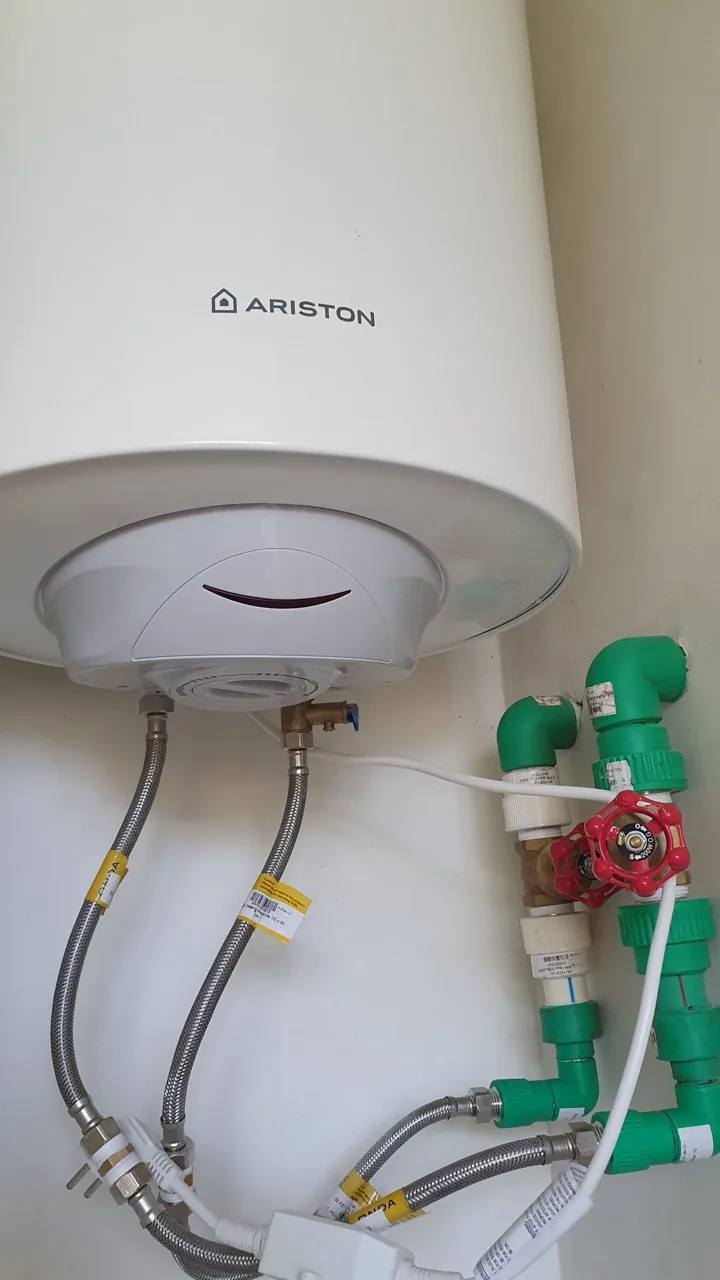
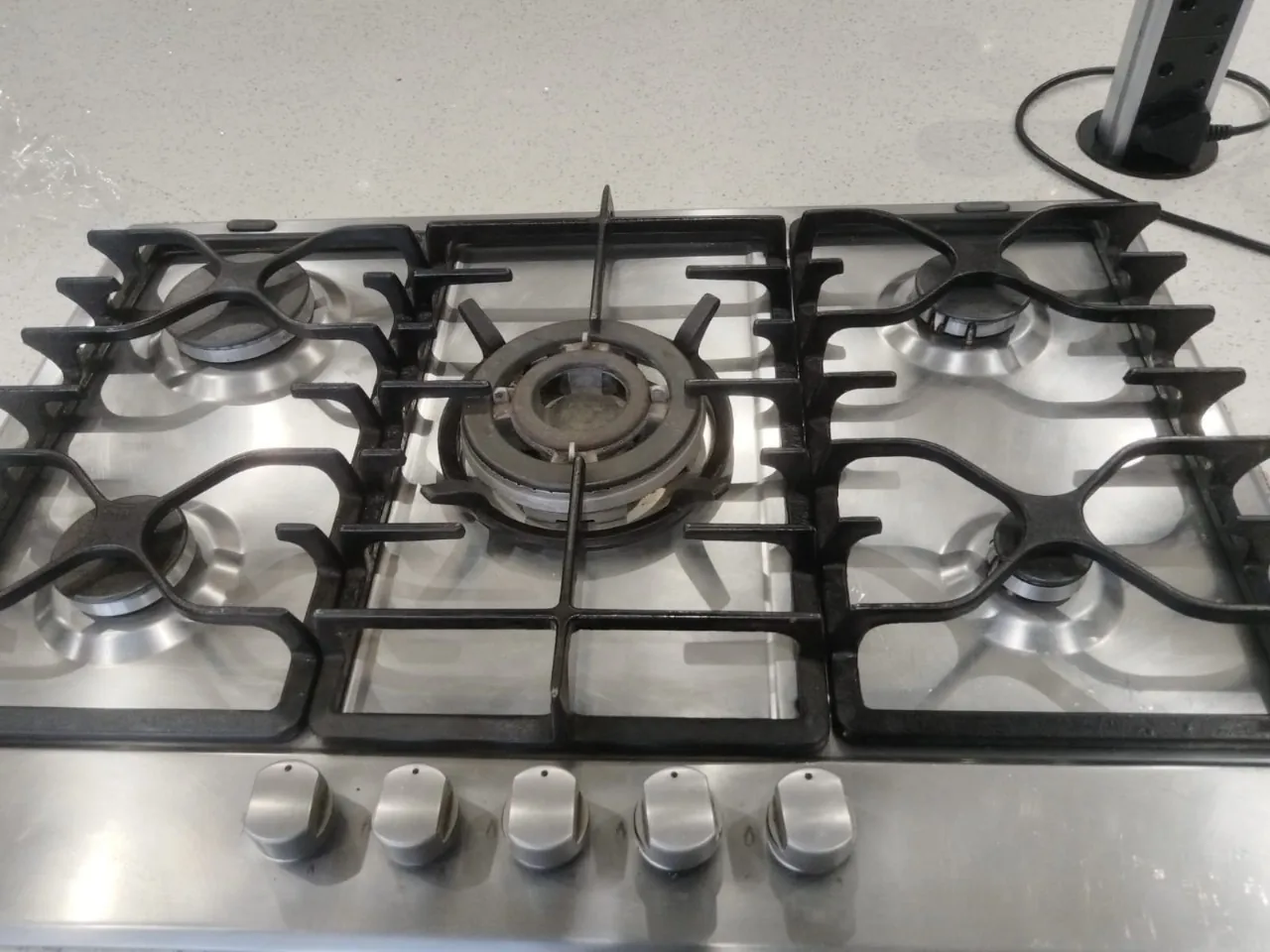
A stove, fireplace or geyser should be considered in the context of its installation rather than examined only as an isolated product. Ventilation, access, combustion exhaust and manufacturer instructions affect safe operation. A visual photograph may help plan an appointment but cannot replace appropriate on-site inspection.
Why installation history is important
Second-hand properties and recently renovated kitchens may have gas equipment whose installation records are incomplete. The presence of a working burner does not demonstrate that the pipework, location or ventilation is compliant. We recommend gathering any previous CoC and appliance instructions for the appropriately registered practitioner; documentation helps plan the inspection but never replaces it.
What a Certificate of Conformity means
A gas CoC documents compliance of regulated installation work. It is not the same as a generic repair receipt or an ordinary claim that an appliance has been serviced. Only a registered gas practitioner acting within the applicable scope may issue the relevant certificate after the required checks.
Before booking an inspection
Tell us which appliance is involved, its location, whether the property has previous gas documentation and what prompted the concern. Do not move connected equipment or attempt a homemade leak check. We can discuss the correct scope and availability of an authorised practitioner.
Common reasons to book gas appliance safety inspections
- Suspected unsafe gas appliance operation
- New soot on or around burners
- Gas appliance changed during renovations
- Landlord needs installation records
- New property owner requests inspection
- Recurring shutoff or flame abnormality
Tell us which symptom best describes the problem and whether it is intermittent or constant. We use your information to discuss the assessment, not to provide an unsafe diagnosis without seeing the appliance.
How we approach this service enquiry
Safety enquiries begin with why the customer is concerned: unusual flames, incomplete compliance records, relocation or alterations to the gas installation. A practitioner acting within their registered scope determines the relevant inspection and testing requirements. A service receipt should never be described as proof of full gas-system conformity unless the appropriate checks and document were actually issued.
Questions about gas appliance safety inspections
Is a gas safety assessment the same as a CoC?
Not automatically. A CoC is a specific compliance document issued by an authorised registered practitioner for qualifying installation work.
What should I do if I smell gas?
Stop using the appliance and avoid creating ignition sources. Move to safety and contact appropriate emergency help from a safe place.
Can a photograph confirm compliance?
No. Suitable on-site examination and the applicable regulated checks are needed.