Repair and service decisions grounded in the actual fault.
Choosing a gas geyser requires matching the appliance to household hot-water demand, inlet water conditions, gas supply and safe mounting location. We handle enquiries for new installations and replacement units across Gauteng. Rather than selecting capacity solely by the number of bathrooms, we consider the water outlets likely to run simultaneously and whether the proposed site meets the manufacturer’s requirements.
Choosing an appropriate capacity
Instantaneous water heaters are often described by litres per minute, but practical output depends on the required temperature rise and inlet conditions. A unit that works for one basin may not comfortably serve two showers. We discuss household usage, water supply, model performance and energy source before a specific installation plan is approved.
Position and exhaust considerations
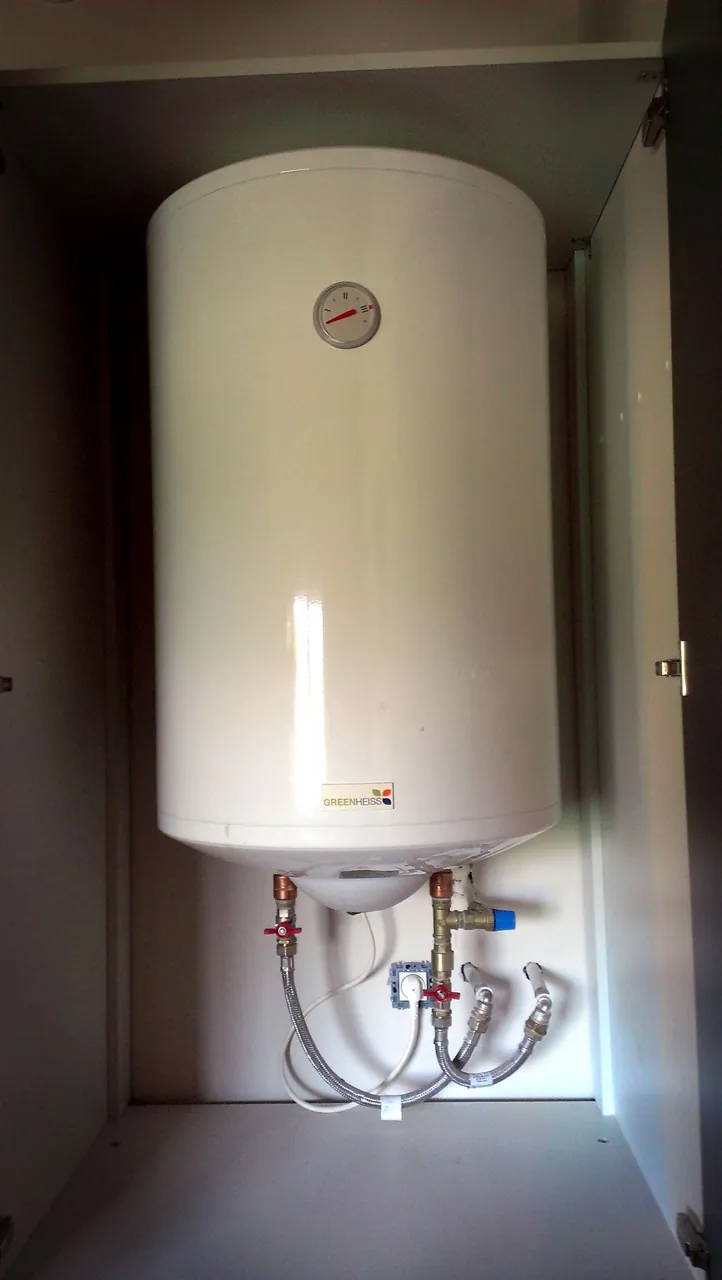
Wall-mounted heaters may require model-specific clearances, weather protection, ventilation and compliant flue or exhaust routes. An installation next to an opening or in a restricted cupboard should never be approved just because the unit physically fits. Proper siting matters for both safe combustion and long-term service access.
Choosing between outdoor and internal locations
Placement affects how an installer handles weather exposure, clearances, exhaust arrangements, water connections and future access. A compact heater is not automatically suitable inside a cupboard, and a larger model is not always the answer to inadequate shower pressure. We review the intended installation with model-specific instructions and discuss any necessary work before final approval.
Replacing an existing geyser
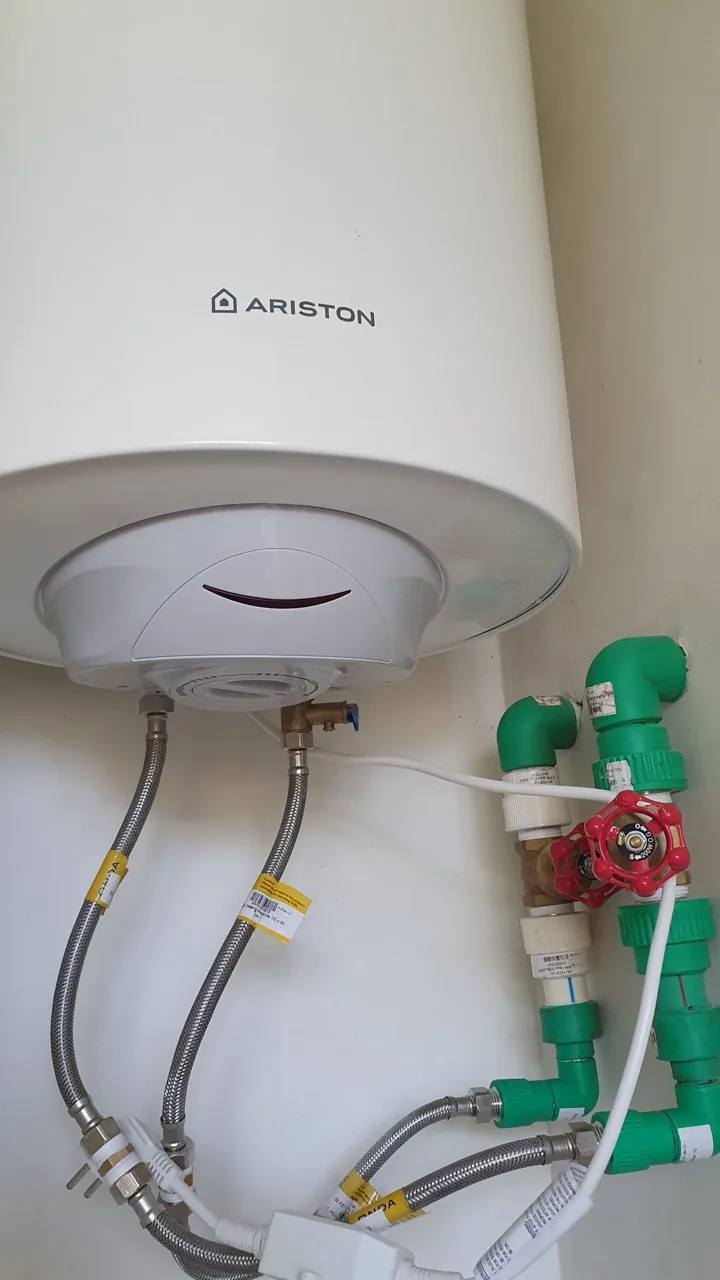
When replacing an older unit, we consider the condition and suitability of the existing gas and water connections. A newer model may have different output or mounting requirements. Reusing a connection without confirming compliance can compromise performance or safety, so replacement planning includes the installation, not only the appliance.
Commissioning and handover
Installation and any gas-system modification must be carried out by someone appropriately registered for that scope. Required inspection, leak testing and compliance documentation follow the applicable rules. We explain what operating information and servicing records the property owner should retain after commissioning.
Common reasons to book gas geyser installations
- New gas geyser for a home
- Replacing an unreliable instantaneous heater
- Improving hot-water capacity
- Installing a heater at a renovation
- Moving an existing gas water heater
- Planning hot water for two bathrooms
Tell us which symptom best describes the problem and whether it is intermittent or constant. We use your information to discuss the assessment, not to provide an unsafe diagnosis without seeing the appliance.
How we approach this service enquiry
For a replacement geyser we consider the number of simultaneous hot-water outlets, expected temperature rise, proposed mounting position and supply arrangement. A properly authorised installation requires checks of the connection, exhaust conditions and model suitability. After commissioning, the owner should understand operating limitations, servicing needs and where relevant compliance paperwork is kept.
Questions about gas geyser installations
How large should a gas geyser be?
The required flow and temperature rise depend on the outlets used together. An assessment is more reliable than selecting capacity from bathroom count alone.
Can I reuse my existing gas line?
An authorised practitioner must assess whether the existing supply is suitable and compliant for the new appliance.
Will a gas geyser work during a power outage?
Some models use batteries and others require electricity. Check the exact model rather than assuming every gas heater works without power.