Repair and service decisions grounded in the actual fault.
A suspected gas leak is a safety issue, not an ordinary appliance inconvenience. Our website can help explain the professional assessment process, but it must not be used in place of emergency response. If you smell gas or believe gas is escaping, stop appliance use, avoid electrical switches and sources of ignition, leave the affected space and contact an appropriate emergency gas responder from a safe location.
Recognising the limits of a symptom
A gas smell can have several origins and cannot be reliably identified through an online form or a casual photograph. It may concern an appliance, connector or wider installation. We do not instruct customers to test fittings with flames, remove regulators or search for leaks by dismantling components.
When an installation needs professional attention
Leaks, damaged connections, disturbed pipework and suspected unsafe combustion require a suitably authorised gas practitioner. An inspection can involve regulated testing and documentation according to what has been affected. We ask for basic details after occupants are safe, rather than having customers continue handling the suspect system.
Avoiding unsafe homeowner investigation
A suspected leak should not trigger a search with candles, improvised sprays or loosened fittings. Emergency response should take priority over identifying the exact source or capturing photographs. Once the site is made safe, an appropriately registered practitioner can determine what work and documented testing are required to return the appliance or system to service.
What to share when it is safe
From a safe place, you can tell the team the appliance type, general area, the circumstances in which the concern arose and whether emergency responders have already been contacted. Do not delay evacuation or emergency contact to obtain a model photo. The normal service form is not continuously monitored and does not guarantee an immediate response.
Following a repair or installation change
Return to use should follow the required professional checks for the actual system and work completed. Where installation work has been modified, the responsible registered practitioner must address applicable compliance documentation. A normal booking email alone is not confirmation that an appliance is safe.
Common reasons to book suspected gas leak assessment
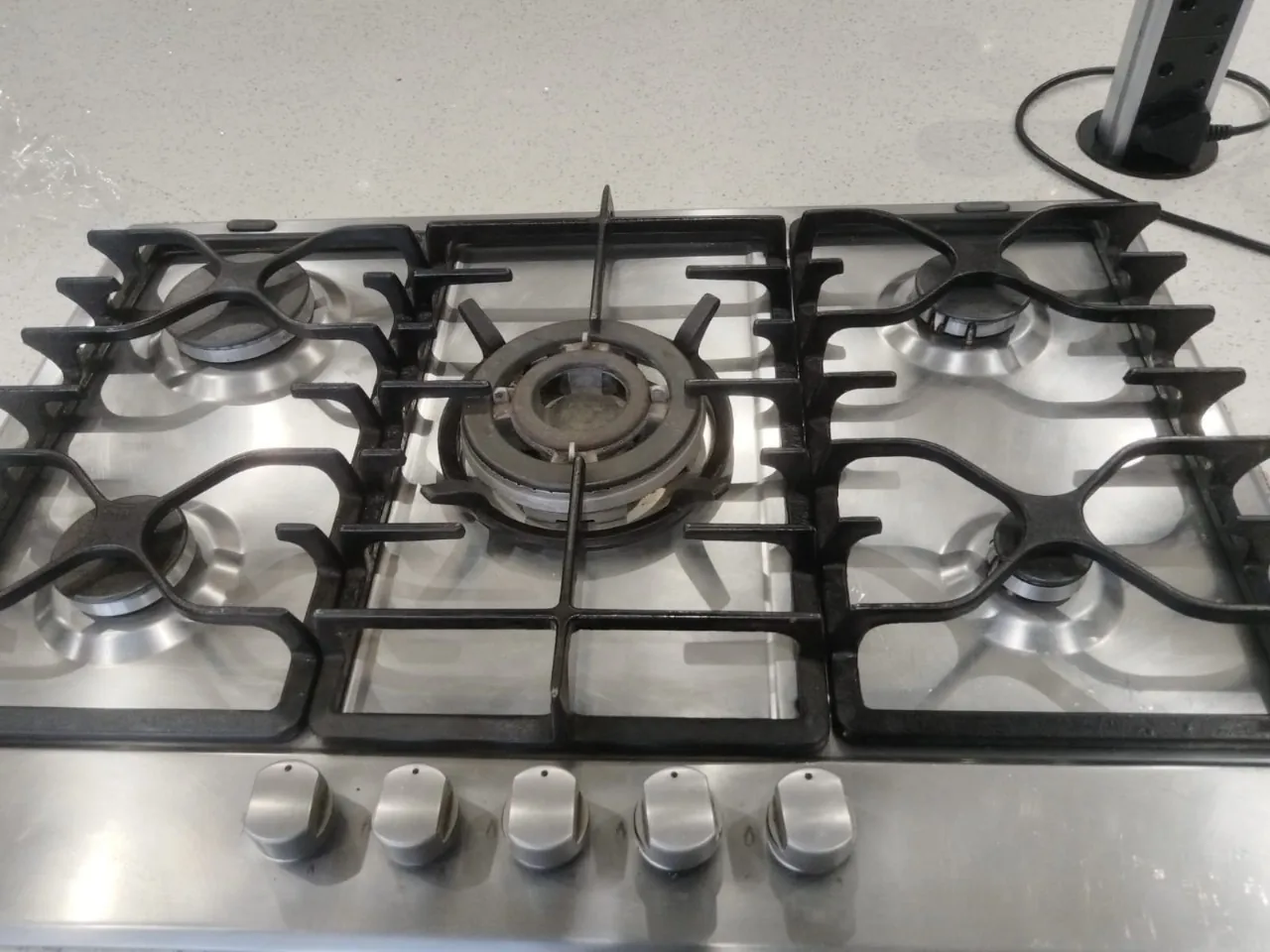
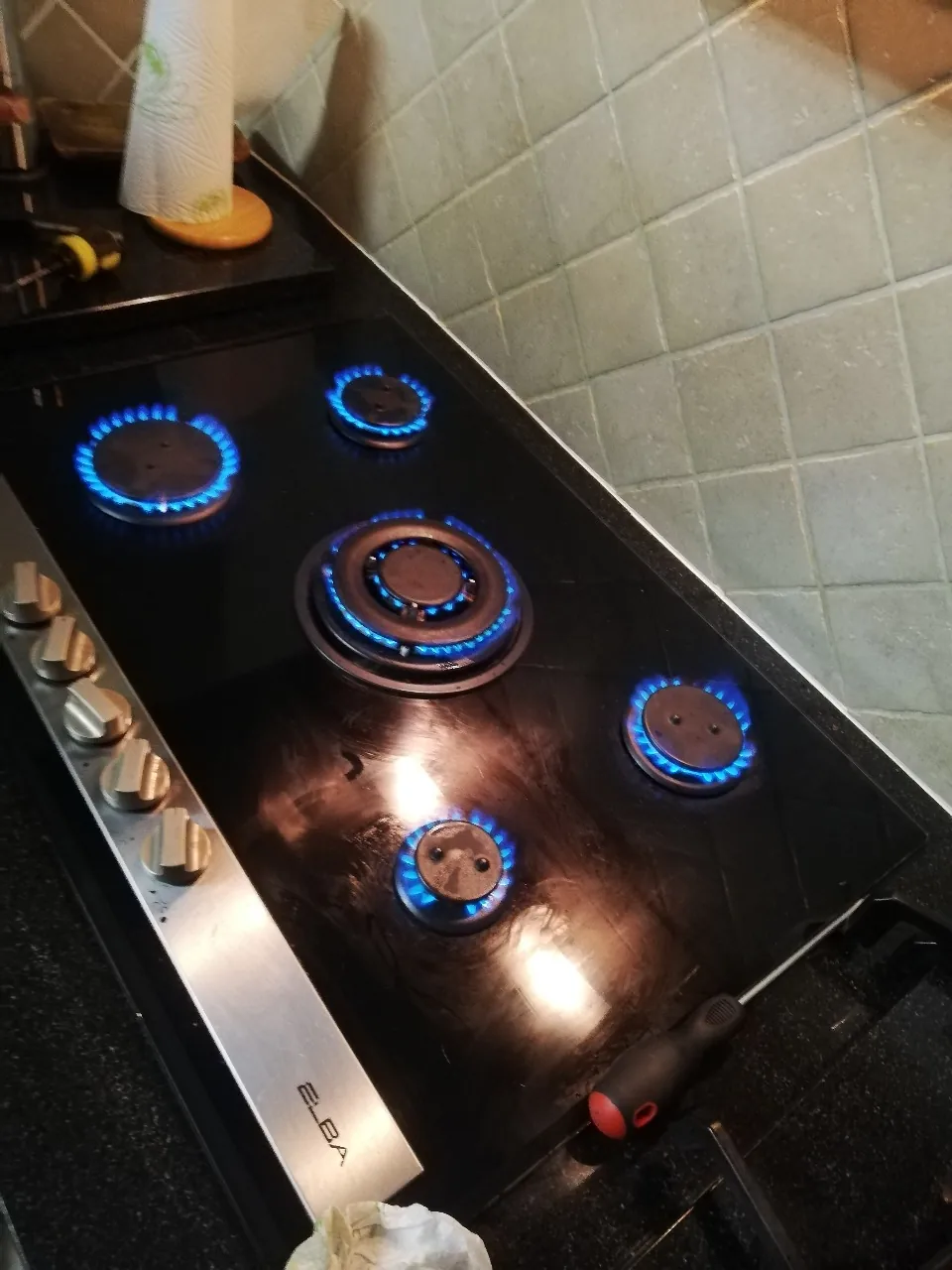
- Gas smell near cooking equipment
- Suspected appliance connector damage
- Leak concern after kitchen renovation
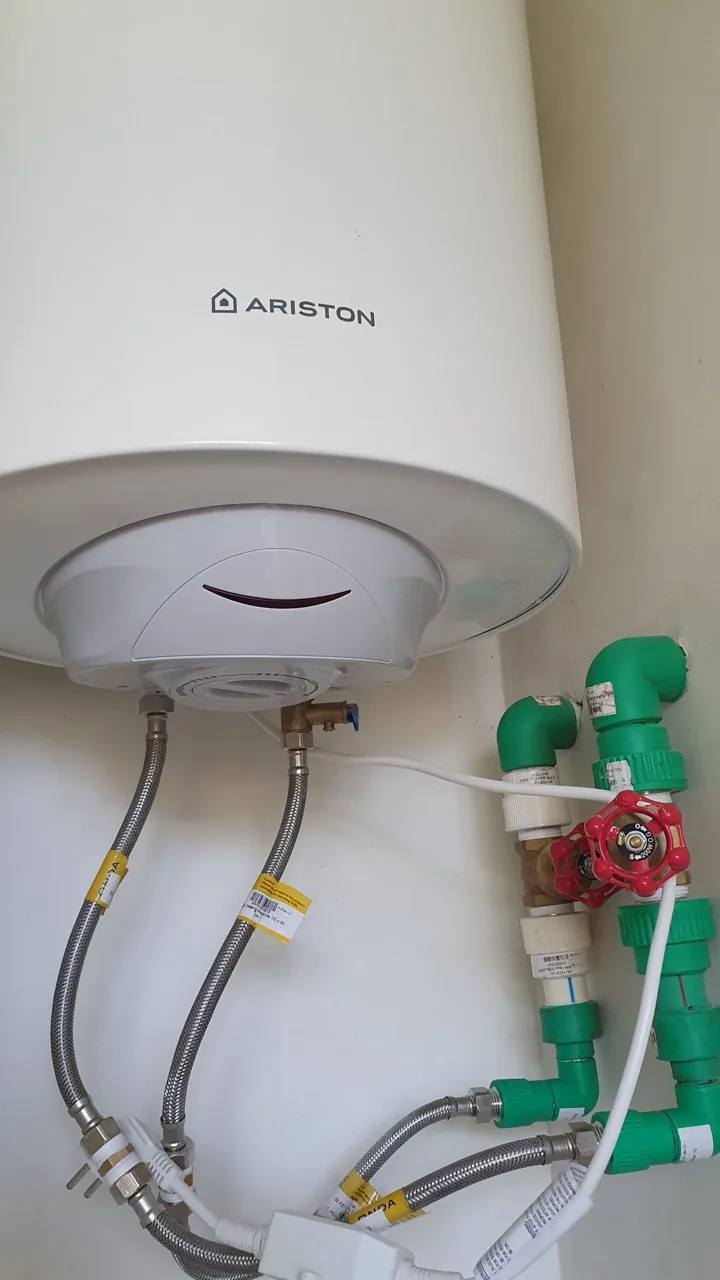
- Unusual odour near gas water heater
- Safety concern after appliance movement
- Gas installation requires professional testing
Tell us which symptom best describes the problem and whether it is intermittent or constant. We use your information to discuss the assessment, not to provide an unsafe diagnosis without seeing the appliance.
How we approach this service enquiry
When gas escape is suspected, routine booking and fault diagnosis must not delay emergency precautions. Once occupants are safe and the immediate risk is managed, appropriately registered personnel can investigate the relevant system and decide what repairs or testing are required. Only suitable professional checks can establish whether the affected appliance or installation may return to use.
Questions about suspected gas leak assessment
Can I wait for an online booking if I smell gas?
No. Leave the unsafe area, avoid ignition sources and contact emergency assistance from a safe location.
Should I disconnect the cylinder to check?
Do not attempt potentially unsafe work or disturb a suspect connection. Follow emergency guidance from an appropriate professional.
Who may alter a gas installation?
An authorised registered gas practitioner working within the required scope.