Repair and service decisions grounded in the actual fault.
A built-in gas hob installation depends on more than the size of the cut-out. The gas supply arrangement, cabinet clearances, ventilation, isolation access and appliance instructions all matter. We take enquiries for new hobs and replacement cooktops and review the existing installation before discussing work. Where the job involves regulated gas-system work, it must be performed and certified by an appropriately registered practitioner.
Planning the kitchen fit
We need to know whether this is a replacement for an existing gas hob or a conversion from electric cooking. The worktop material, available cut-out and position of cupboards or extraction equipment can change the installation plan. A hob that fits the opening is not automatically appropriate for the connected gas system.
Supply, location and ventilation
The proposed installation should account for manufacturer requirements, acceptable cylinder or piped-gas arrangements, safe location of isolation points and any required ventilation. We do not rely on a photograph alone to establish compliance. Changes to pipework, regulators and connections require competent, registered personnel.
Coordinating cabinets, ventilation and service access
A kitchen renovation is easier to plan when the hob model is selected before the final countertop cut-out is made. The position of sockets, cupboards, extractor equipment and serviceable shut-off arrangements can influence safe installation. We encourage customers to share a drawing or dimensions from their contractor, while leaving formal compliance assessment to the properly registered installer.
Replacement of an existing hob
Removing an old hob safely can involve separating the appliance from its gas connection and checking the condition of the surrounding installation. Older hoses or inaccessible fittings may alter the scope of work. We discuss these points before any replacement is approved and arrange the necessary installation checks afterward.
Commissioning and documentation
A suitable authorised practitioner must carry out required checks and provide a Certificate of Conformity where the regulations require one. We do not promise paperwork for work outside a practitioner’s registration scope. Customers should retain installation details and manufacturer guidance for future servicing.
Common reasons to book gas hob installations
- Replacing a damaged built-in gas hob
- Converting a cooking location to gas
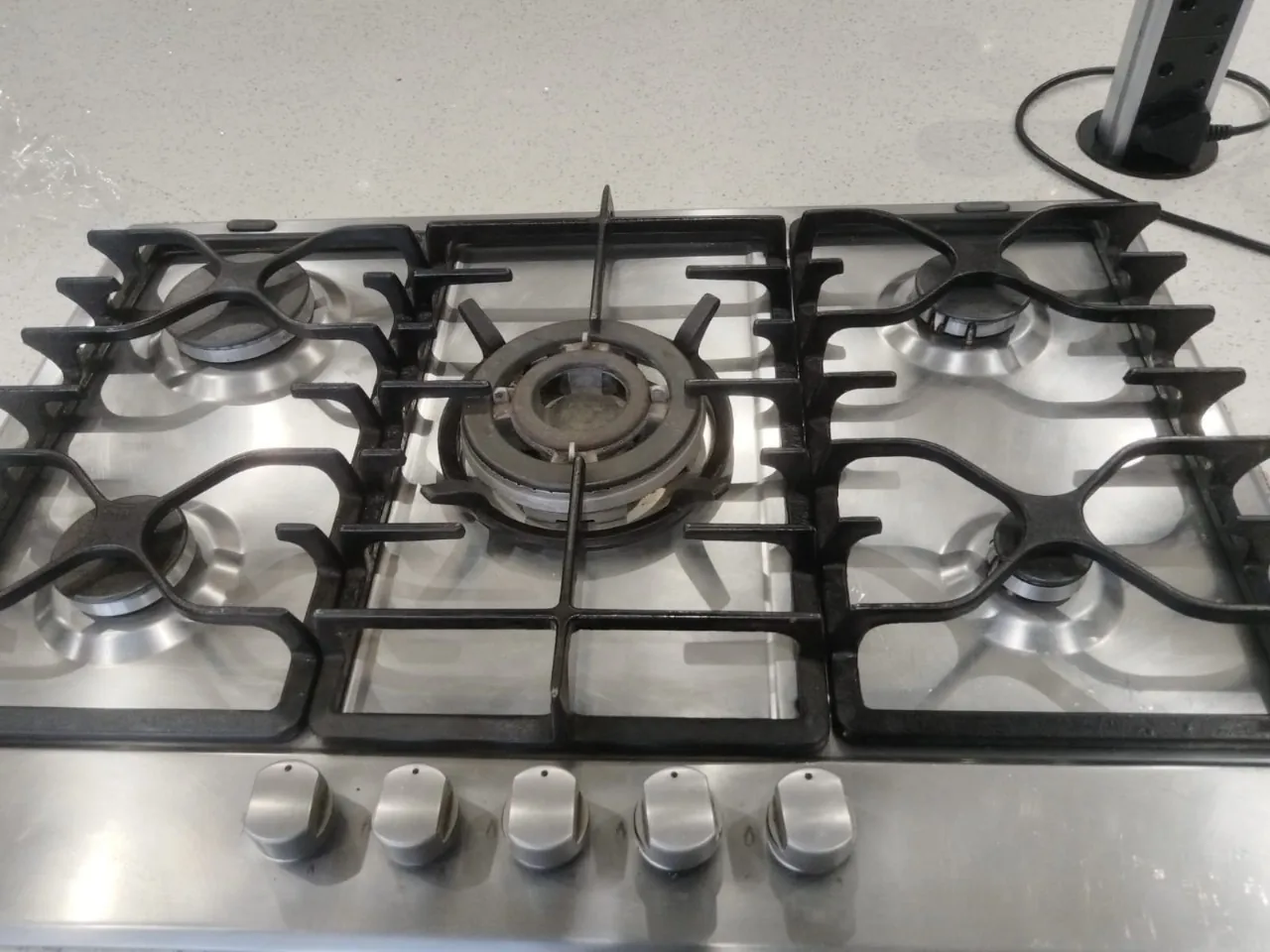
- Changing from a four- to five-burner hob
- Fitting a new cooktop into stone
- Updating an older gas-hob connection
- Moving a gas hob during renovation
Tell us which symptom best describes the problem and whether it is intermittent or constant. We use your information to discuss the assessment, not to provide an unsafe diagnosis without seeing the appliance.
How we approach this service enquiry
When discussing a new hob we review the chosen unit, available cabinet space and whether there is an existing suitable gas supply. The authorised installer determines the installation scope, required testing and documentation after considering the manufacturer instructions. An agreed worktop fit does not itself mean the proposed gas connection has been approved.
Questions about gas hob installations
Can any gas hob fit an existing cut-out?
No. Cabinet clearances, appliance dimensions and manufacturer requirements all need to be checked.
Does installation require a gas certificate?
Regulated installation work requires the appropriate registered practitioner and compliance documentation under South African requirements.
Can I supply my own hob?
Provide the model details and installation instructions so suitability and the proposed scope can be discussed.